

Soft tissue tumors are a diverse group of tumors that can develop in muscles, fat, nerves, blood vessels, connective tissues, and other supporting structures throughout the body. These tumors may appear in the arms, legs, chest wall, abdomen, neck, or other regions, and their treatment often requires highly specialized surgical expertise due to their complex relationship with surrounding tissues and vital structures.
Some soft tissue tumors are benign, while others may be malignant and require advanced oncologic treatment. Malignant soft tissue tumors, often referred to as soft tissue sarcomas, can vary significantly in their behavior, growth rate, and aggressiveness. Because of this complexity, accurate diagnosis and individualized treatment planning are essential for achieving successful outcomes.
Patients with soft tissue tumors may notice symptoms such as a growing lump, swelling, pain, pressure on nearby nerves or blood vessels, or limitations in movement depending on the tumor location. In some cases, tumors may grow silently for long periods before becoming noticeable, which makes early medical evaluation extremely important whenever abnormal swelling or masses are detected.
The treatment journey typically begins with comprehensive diagnostic evaluation including imaging studies such as MRI or CT scans, tissue biopsy analysis, and multidisciplinary discussion among oncology specialists. Determining the exact type, size, and extent of the tumor is essential in selecting the safest and most effective treatment approach.
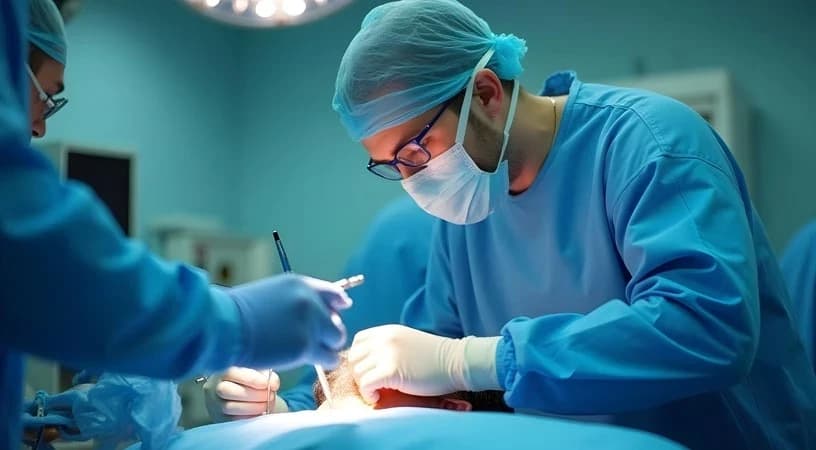
Surgery remains the cornerstone of treatment for many soft tissue tumors. The primary goal is complete removal of the tumor while preserving surrounding healthy tissues, nerves, muscles, and blood vessels whenever possible. However, because these tumors may involve critical anatomical structures, surgery can become highly complex and technically demanding.
Dr. Alaa Mahfouz has experience in advanced oncologic surgery involving complex tumor resections and specialized reconstructive techniques. His approach focuses on combining precise tumor removal with functional and cosmetic preservation to help patients achieve the best possible recovery outcomes.
One of the major advances in modern oncologic surgery is the use of microsurgical reconstruction techniques after tumor removal. Microsurgery involves the use of highly specialized instruments and magnification systems to reconnect tiny blood vessels and tissues with exceptional precision. These advanced techniques allow surgeons to reconstruct areas affected by tumor excision and restore both function and appearance.
Microsurgical reconstruction may be particularly important when tumors involve large areas of tissue or are located near critical functional structures. Reconstruction can help restore movement, protect exposed structures, improve wound healing, and enhance cosmetic outcomes following extensive cancer surgery.
Modern microsurgery has significantly improved the quality of life for many oncology patients. In the past, some complex tumors required highly disabling surgeries, but advanced reconstructive techniques now allow many patients to maintain better physical function and appearance after treatment.
In addition to surgery, some patients may require radiation therapy, chemotherapy, or targeted therapy depending on the type and stage of the tumor. Multidisciplinary coordination between surgical oncologists, plastic and reconstructive surgeons, radiologists, pathologists, and medical oncologists ensures comprehensive and personalized treatment planning.
Recovery after soft tissue tumor surgery often includes rehabilitation and physical therapy to help patients regain strength, movement, and daily function. Long-term follow-up is also essential to monitor healing, evaluate recovery, and detect any recurrence as early as possible.
Advanced or recurrent soft tissue tumors may require even more complex surgical planning due to previous surgeries, scar tissue, or involvement of critical anatomical areas. These challenging cases demand extensive oncologic experience and advanced microsurgical expertise to achieve safe and effective treatment outcomes.
Facing a diagnosis involving soft tissue tumors can be physically and emotionally difficult. Specialized medical care, accurate diagnosis, personalized treatment planning, and continuous patient support all play important roles in helping patients move through treatment with greater confidence and reassurance.
Choosing a surgical oncology team experienced in both tumor surgery and microsurgical reconstruction can make a major difference in treatment success, recovery, and long-term quality of life. Precision, expertise, and individualized care remain essential in achieving the best outcomes for patients undergoing complex oncologic surgery.
