

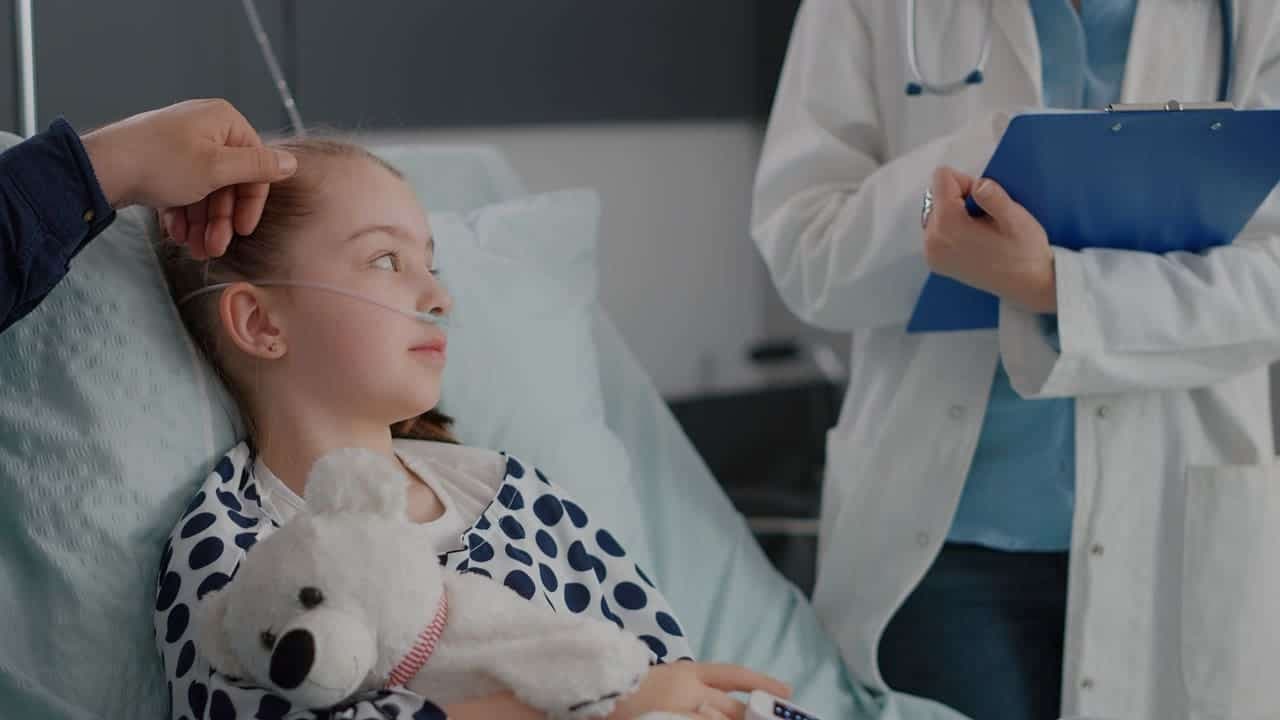
Cancer treatment in children is very different from cancer treatment in adults. Pediatric tumors require specialized medical expertise, advanced surgical planning, and a compassionate approach that takes into consideration not only the child’s immediate health, but also their long-term growth, development, and quality of life.
Although childhood cancers are less common than adult cancers, they remain among the most challenging medical conditions for both families and healthcare teams. A cancer diagnosis in a child can create significant emotional stress and uncertainty, making the role of experienced pediatric oncology specialists especially important throughout every stage of treatment.
Pediatric tumors can affect various parts of the body, including the brain, chest, abdomen, bones, kidneys, liver, lymphatic system, and soft tissues. Some tumors are detected early through noticeable symptoms, while others may remain difficult to identify during the initial stages. Common warning signs may include unexplained swelling, persistent pain, fever, weight loss, fatigue, difficulty breathing, or changes in normal physical activity.
Early diagnosis plays a major role in improving treatment outcomes for children with cancer. Advanced imaging, laboratory testing, pathology studies, and multidisciplinary evaluations help physicians accurately determine the nature of the tumor and develop the most appropriate treatment strategy for each child.
Surgical treatment is often one of the main components in managing pediatric tumors. However, surgery in children requires exceptional precision because a child’s organs and tissues are still developing. The goal is not only to remove the tumor effectively, but also to preserve organ function, minimize complications, and protect the child’s future growth whenever possible.
Dr. Alaa Mahfouz has experience in advanced oncologic surgical management, including participation in the care of pediatric oncology cases within specialized cancer institutions. His approach emphasizes accurate diagnosis, evidence-based surgical treatment, and comprehensive patient-centered care.
One of the most important aspects of pediatric oncology is the collaboration between multiple medical specialties. Pediatric surgeons, oncologists, radiologists, anesthesiasts, pathologists, intensive care specialists, and rehabilitation teams all work together to create an integrated treatment plan designed specifically for the child’s condition.
In many cases, treatment may include a combination of surgery, chemotherapy, radiation therapy, or targeted therapies depending on the tumor type and stage. Some tumors require surgery as the primary treatment, while others may need chemotherapy before surgery to reduce tumor size and improve surgical safety.
Modern advances in pediatric surgical oncology have significantly improved survival rates and treatment outcomes for many childhood cancers. Improved surgical techniques, safer anesthesia protocols, advanced intensive care, and better postoperative management have all contributed to more effective and safer treatment experiences for young patients.
Emotional and psychological support also plays a critical role during treatment. Children facing cancer often require ongoing emotional care and reassurance, while parents and families need continuous communication and guidance throughout the treatment journey. A supportive medical environment can greatly reduce anxiety and help families navigate difficult decisions with confidence.
Long-term follow-up is another essential part of pediatric cancer care. Even after successful treatment, children may require regular monitoring to assess recovery, detect recurrence early, and evaluate growth and development over time. Comprehensive follow-up care helps ensure the best possible long-term outcomes.
Treating pediatric tumors requires not only technical expertise, but also patience, compassion, and deep understanding of the unique medical and emotional needs of children and their families.
Choosing an experienced oncology team can make a major difference in both treatment success and the child’s future quality of life. Specialized surgical care, multidisciplinary coordination, and personalized treatment planning remain essential in achieving the safest and most effective outcomes for pediatric cancer patients.
