

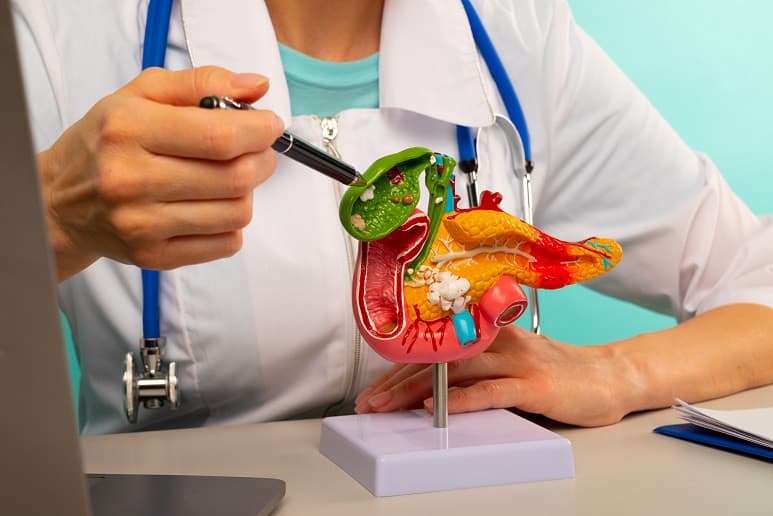
Tumors affecting the gastrointestinal tract, liver, and pancreas are considered among the most complex cancers to manage surgically. These organs play essential roles in digestion, metabolism, nutrition, and overall body function, making surgical treatment highly delicate and technically demanding.
The digestive system includes several important organs such as the esophagus, stomach, small intestine, colon, rectum, liver, gallbladder, and pancreas. Tumors may develop in any of these areas, and each type of cancer requires a highly individualized treatment strategy based on the tumor’s location, stage, size, and biological behavior.
One of the greatest challenges in gastrointestinal and hepatopancreatobiliary surgery is that many tumors may remain silent during early stages. Symptoms often appear only after the disease has progressed, which is why early evaluation of persistent digestive symptoms is extremely important. Warning signs may include unexplained weight loss, abdominal pain, difficulty swallowing, persistent vomiting, jaundice, changes in bowel habits, gastrointestinal bleeding, or chronic fatigue.
Accurate diagnosis is the foundation of successful treatment. Modern imaging technologies, endoscopic procedures, laboratory testing, and pathological analysis all help determine the extent of the disease and guide the most effective treatment plan. Multidisciplinary discussions between surgical oncologists, radiologists, gastroenterologists, pathologists, and medical oncologists play a major role in ensuring comprehensive care.
Surgical treatment remains one of the most effective options for many gastrointestinal, liver, and pancreatic tumors. The primary goal is complete tumor removal while preserving as much healthy organ function as possible. However, due to the complexity of these organs and the surrounding blood vessels and structures, these procedures require advanced surgical expertise and meticulous planning.
Dr. Alaa Mahfouz has extensive experience in managing advanced and complex oncologic surgical cases, including tumors affecting the digestive system, liver, and pancreas. His approach focuses on combining surgical precision with evidence-based oncology care to achieve the safest and most effective outcomes possible.
Liver and pancreatic surgeries are particularly demanding because of the sensitivity of these organs and their close relationship with major blood vessels. Pancreatic tumors, for example, often require highly specialized procedures that demand exceptional technical skill and careful postoperative management. Similarly, liver tumor surgery requires detailed understanding of liver anatomy and function to ensure safe tumor removal while preserving adequate healthy tissue.
Modern surgical oncology has significantly improved outcomes in recent years through advances in surgical techniques, anesthesia, intensive care, and postoperative recovery protocols. Minimally invasive techniques and enhanced surgical technologies may help reduce complications, shorten recovery time, and improve overall patient experience in selected cases.
Treatment for these tumors often extends beyond surgery alone. Many patients may benefit from chemotherapy, targeted therapies, immunotherapy, or radiation therapy before or after surgery depending on the nature and stage of the cancer. Coordinated multidisciplinary care ensures that every patient receives a comprehensive treatment strategy tailored specifically to their condition.
Nutrition and postoperative rehabilitation are also critical parts of recovery for patients undergoing gastrointestinal or pancreatic surgery. Because these organs directly affect digestion and metabolism, patients often require careful nutritional support and long-term follow-up to maintain recovery and quality of life.
In advanced or recurrent cancer cases, surgery may become even more technically challenging due to previous operations, scar tissue, or spread of disease. These situations require specialized oncologic surgical experience and individualized planning to maximize both safety and treatment effectiveness.
Facing a diagnosis involving the digestive system, liver, or pancreas can feel overwhelming for patients and families alike. Clear communication, precise diagnosis, personalized treatment planning, and continuous medical support are essential in helping patients navigate this difficult journey with confidence and reassurance.
Choosing an experienced surgical oncologist is a critical step in managing these complex cancers. Expertise, precision, and multidisciplinary coordination remain essential factors in achieving the best possible treatment outcomes and improving patients’ quality of life.
