

Choosing the right doctor is an important step when you are diagnosed with a tumor, as finding a specialist with the appropriate expertise and experience helps you understand your condition and identify the most suitable treatment approach. Many patients search for the best oncologist in Cairo to receive an accurate diagnosis and specialized care, particularly when surgery may be necessary. However, choosing a doctor should not depend on reputation alone. It is also important to consider academic qualifications, experience in treating the specific type of tumor, and collaboration with other medical specialists. In this article, we explore the key criteria for choosing an oncology surgeon, the services they provide, and how to benefit from a specialized medical consultation.
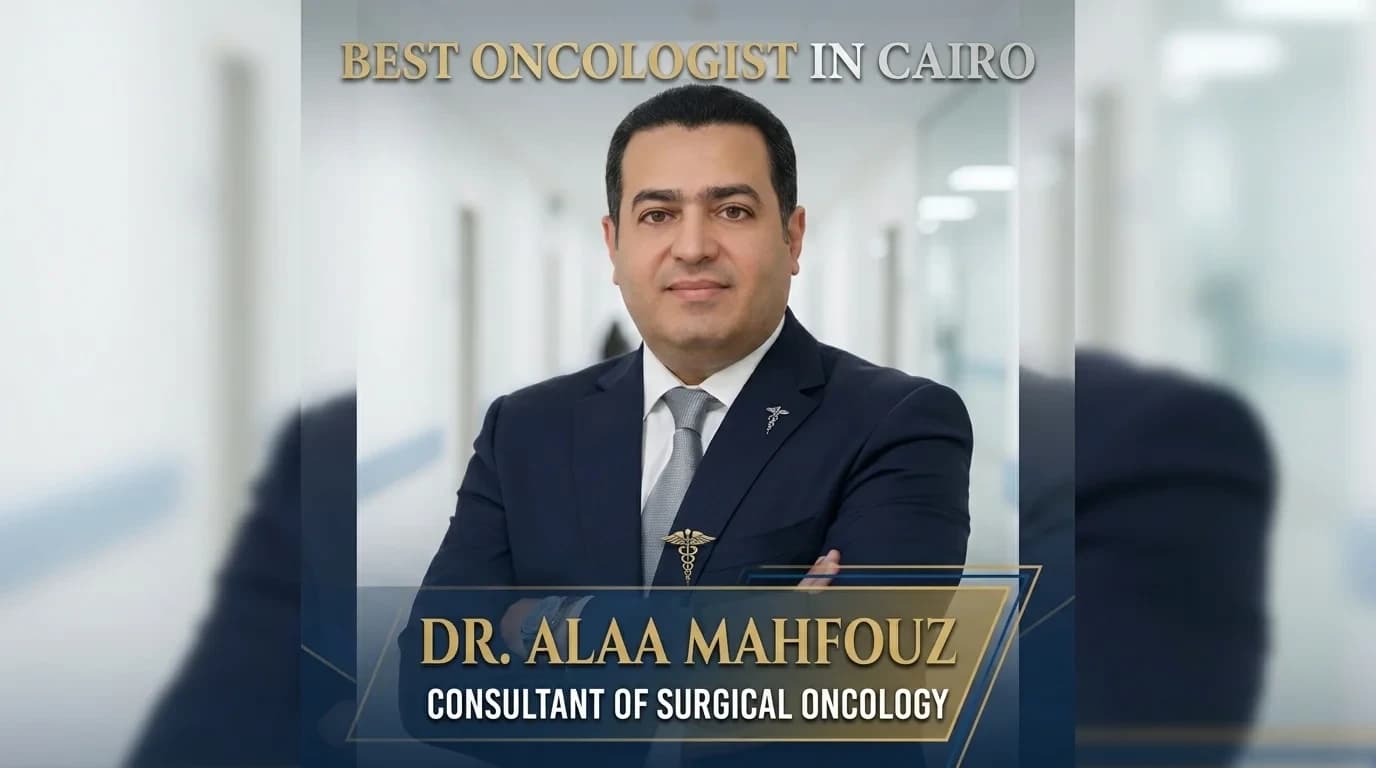
Medical Review: Dr. Alaa Mahfouz – Consultant and Lecturer of Oncology Surgery at the National Cancer Institute, Cairo University.
Best Oncologist in Cairo: How Do You Choose the Right Doctor?
When searching for the best oncologist in Cairo, it is important to make sure the doctor has a specialty that matches the type of tumor and the patient's health condition. Cancer surgery requires a thorough understanding of the affected tissues, the extent of tumor spread, and the available surgical options. Therefore, consider the following criteria when choosing a specialist:
Academic qualifications and specialized training in oncology surgery.
Practical experience treating the specific type of tumor.
Work at specialized medical institutions.
The ability to explain treatment options and discuss their benefits and risks.
Collaboration with a multidisciplinary medical team when necessary.
You should also make sure that the doctor reviews your medical tests and reports before recommending any treatment.
How Do You Choose the Best Surgical Oncologist in Cairo?
Choosing the best surgical oncologist in Cairo requires evaluating the surgeon's experience and how closely it relates to your specific type of tumor. Breast cancer surgery, for example, differs from surgery for gastrointestinal or head and neck tumors. It is important to ask how many similar cases the doctor has treated, which hospitals they work at, and which surgical techniques they use.
The doctor should also be able to explain the purpose of the operation, available alternatives, potential side effects, and expected recovery period. It is advisable to bring your imaging results, laboratory tests, and biopsy reports to the consultation so the doctor can assess your condition comprehensively and determine whether surgery is necessary or further investigations are required before making a decision.
What Is the Difference Between an Oncologist and a Surgical Oncologist?
The roles of medical oncologists and surgical oncologists differ according to their specialties and the type of treatment required. A medical oncologist specializing in drug therapy evaluates patients who may need chemotherapy, immunotherapy, or targeted therapy. A surgical oncologist focuses on surgical procedures to remove tumors and treat affected tissues.
Some patients may need care from more than one specialist throughout their treatment journey, as certain conditions require a combination of surgery, drug therapy, or radiation therapy. Therefore, choosing a surgical oncologist does not mean that other specialties are unnecessary. Comprehensive cancer care depends on coordination between specialists to develop the most appropriate treatment plan based on the tumor type, stage, and patient's overall health.
When Should You Visit a Surgical Oncologist?
A consultation with a surgical oncologist is important when a lump or tumor is discovered and requires surgical evaluation, or when biopsy and other test results indicate that a tumor may need to be removed. Patients may also need to consult a specialist if their treating physician recommends surgery or if a tumor recurs after previous treatment.
Not every lump or physical change indicates cancer, and surgery is not recommended based on symptoms alone. The doctor begins by reviewing the patient's medical history, performing a clinical examination, and assessing imaging and laboratory results. They then determine whether a biopsy, additional investigations, or surgery may be needed as part of a comprehensive treatment plan.
What Types of Tumors Does a Surgical Oncologist Treat?
Surgical oncologists manage various types of tumors, which differ according to the affected organ, tissue characteristics, and disease stage. Oncology surgery includes several specialized fields, each requiring an appropriate surgical approach for the individual case. Some of the main areas include:
Breast, thyroid, and salivary gland tumors.
Gastrointestinal tumors, including stomach, colon, and rectal cancer.
Liver, pancreatic, and gallbladder tumors.
Lung, pleural, and mediastinal tumors.
Ovarian, uterine, and cervical tumors.
Kidney, bladder, and prostate tumors.
Soft tissue tumors and sarcomas.
Solid tumors in children and peritoneal tumors.
The required intervention varies depending on the diagnosis, the extent of tumor spread, and whether the tumor can be safely removed.
How Is the Right Cancer Treatment Plan Determined?
There is no single treatment plan suitable for all cancer patients. Treatment decisions depend on the tumor type and stage, pathology results, the extent of disease spread, and the patient's overall health.
The assessment begins with reviewing biopsy results, imaging scans, and laboratory tests before identifying the available treatment options. In some cases, surgery is the primary treatment. Other patients may need chemotherapy or radiation therapy before or after surgery. Immunotherapy or targeted therapy may also be considered depending on the characteristics of the tumor.
The medical team may also discuss the possibility of breast-conserving or other organ-preserving surgery, or complete removal, depending on the individual case. Collaboration between the surgical oncologist and other specialists helps develop a comprehensive plan that considers the potential benefits, risks, and the patient's quality of life.
When Should You Seek a Second Medical Opinion?
Getting a second medical opinion can be helpful before making an important treatment decision, particularly when a case is complex, major surgery is being considered, or several treatment approaches are available.
A second opinion allows another specialist to review the diagnosis, biopsy results, and imaging scans, as well as discuss alternative treatments and their suitability for the patient. Consulting a surgical oncologist who specializes in the same type of tumor can help assess the proposed treatment plan. This does not necessarily mean that the initial diagnosis was incorrect.
It is best to provide medical reports, imaging scans, laboratory results, and records of any previous operations so that the consultation is based on complete information and the doctor can offer a more accurate assessment.
Why Choose Dr. Alaa Mahfouz for an Oncology Surgery Consultation?
Dr. Alaa Mahfouz provides specialized oncology surgery consultations, drawing on more than 15 years of experience in managing complex and advanced surgical cases. He is a Consultant and Lecturer of Oncology Surgery at the National Cancer Institute, Cairo University. He also works as a Consultant of Oncology Surgery at Children's Cancer Hospital 57357 and Shifa Al Orman Hospital in Luxor.
He graduated from Kasr Al Ainy Faculty of Medicine with an Excellent grade with honors and holds both a Master's degree and a Doctorate in Oncology Surgery from the National Cancer Institute.
His areas of specialization include gastrointestinal, breast, chest, head and neck, urological, gynecological, and soft tissue tumors, in addition to peritoneal surface malignancies and HIPEC surgery for suitable cases. Each patient is evaluated individually through a review of medical investigations and an assessment of the available surgical and treatment options based on the nature of the disease.
Book Your Consultation with Dr. Alaa Mahfouz in Cairo
If you are looking for a surgical oncologist to review your diagnosis or assess whether surgery may be appropriate, you can book a consultation with Dr. Alaa Mahfouz to receive an evaluation based on your specific condition.
Clinics are available in El Manial, Dokki, Faisal, and Mohandessin. Consultations include reviewing medical reports and discussing available treatment options before making a decision.
Contact the clinic team to arrange a suitable appointment, and remember to bring your imaging results, laboratory tests, and previous biopsy reports to make the most of your consultation.
Frequently Asked Questions
Who Is the Best Surgical Oncologist in Cairo?
Choosing the right surgical oncologist depends on their specialty, experience treating the patient's specific type of tumor, academic qualifications, and the hospitals where they practice. Dr. Alaa Mahfouz is one of the specialists in oncology surgery and works as a Consultant and Lecturer at the National Cancer Institute, Cairo University.
What Is the Difference Between a Surgical Oncologist and a Medical Oncologist?
A surgical oncologist specializes in surgical procedures to remove tumors, while a medical oncologist specializing in drug therapy uses chemotherapy, immunotherapy, and targeted treatments. Both specialists may be involved in treating the same patient.
Do All Tumors Require Surgery?
No. Some tumors can be treated with medication, radiation therapy, or other approaches without surgery, while others require surgical removal. The decision depends on the tumor type, stage, and extent of spread.
Can a Cancerous Tumor Be Completely Removed?
Some tumors can be completely removed through surgery when their nature, location, and stage make this possible. However, complete removal cannot be guaranteed in every case. The surgeon determines whether this is feasible after evaluating the test results and the extent of the disease.
Where Are Dr. Alaa Mahfouz's Clinics Located in Cairo?
Dr. Alaa Mahfouz has clinics in several areas of Cairo, including El Manial, Dokki, Faisal, and Mohandessin. You can contact the clinic team to ask about working hours and book a consultation.
